

Me
No one has unlimited time; it's a constraint we all share, and we all want tospend it well.
What has surprised me, after years working in technology, is how often it does the opposite and makes work take longer, not less.
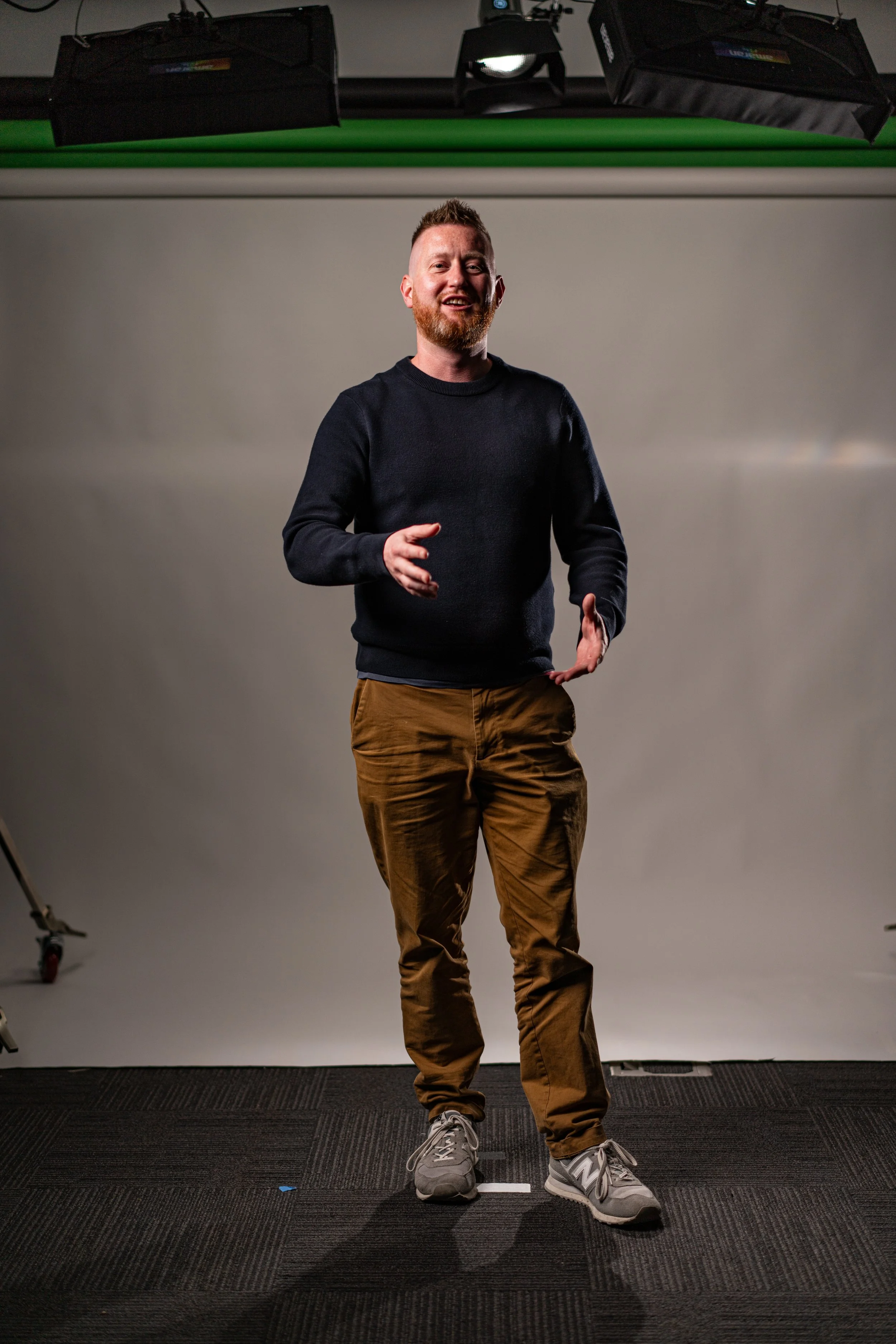
Over twenty years I've worked across more of technology than most people see: government, universities, medical research and pharma, mining, retail, superannuation, and creative agencies, from twenty-person startups to hundred-thousand-person enterprises, in the UK, Europe and Australia. That breadth confirmed something the industry resists: the answer is rarely an absolute. It's a balance, and it lands in a different place every time.
The symptoms change with every place; the problem underneath rarely does. Time, money and talent, wasted. Something is not working, and no one can quite explain why.It comes down to the same two things almost every time: most people only ever see their own slice of the technology, and the industry reaches for absolutes where the answer is a balance.
Most people wait too long. The first sign never feels big enough to call about, so it gets left, and by the time it's obvious it's a repair, not a question. Earlier is cheaper, and easier. You don't need to be sure something's wrong. That is when to call me.
People should spend their time on things that matter.
Too often technology gets in the way of that. My job is to find where it's happening and put it right.
I'm direct. I'll tell you what I think is wrong, and what to do about it. If I can't help, I'll say so.
If you want a straight look at what's going on, get in touch.
I help you find what’s stuck or what’s unclear, and fix it.
Sometimes that’s a project that’s stalled. Sometimes it’s a team that can’t deliver. Sometimes it’s a system that everyone’s worked around for so long they’ve forgotten it’s broken. Sometimes it’s a new decision where the claims don’t quite add up.
From the inside, it can be hard to see. People, platforms and technology get tangled up, and the problems that are being solved are often not as complex as the solutions being proposed to solve them. From the outside, it’s often more obvious.
The method is simple, built from years of running real projects.
I understand what the work is meant to do, what is meant to happen, find where things diverge from that, and fix it. The temptation is often to implement what feels safe or follow unproven technological trends. I focus on the time it takes and the work it produces instead. That is usually where the answer is.